Showing posts with label holiday. Show all posts

Saturday, July 4, 2026

The Fourth of July Had Competition to be Independence Day


A scene that never happened--the signing of the Declaration of Independence.  There was no great signing ceremony on July 4th or any other day.  On August 2, 1776 the Delegates to the Continental Congress who were still in Philadelphia stopped by the Pennsylvania State House to add their signatures before they left town.  Those who were already gone added their signatures when they could--weeks, months, and in one case years later.

Note--Officially, the United States is celebrating it 250th birthday today.  Due to distractions, divergence, and disappointment the celebration is much more muted than the national hoopla fifty years ago for the Bicentennial.  But gloomy or not the commemoration might not be on the right date. 

As we all know today is Independence Day when Americans celebrate the adoption of a resolution by the Continental Congress formally severing ties between the England and her former colonies in 1776. Although we celebrate on July 4th, the date is just one of several that could have been chosen. 

On May 15 Congress adopted a preamble for a resolution offered by Richard Henry Lee of Virginia calling for colonies without a “government sufficient to the exigencies of their affairs” to adopt new governments.  The preamble, written by John Adams, said that “it is necessary that the exercise of every kind of authority under the said crown should be totally suppressed.”  Although the four Middle Colonies voted against it, Adams wrote home that he considered this a virtual declaration of independence.  The same day the Virginia Convention adopted a resolution calling for a dissolving all allegiance to the Crown 


Virtually forgotten in popular accounts, Virginia delegate Richard Henry Lee offered the underlying resolution for Independence.  The familiar document was an explanation and justification of the act drafted by a special committee.  It was not the legal document accomplishing separation.  Lee's resolution and the votes for and against it were recorded in the official proceedings of Congress.

In keeping with his instructions on June 11 Lee offered a resolution that Congress declare independence, seek foreign alliances, and begin laying the groundwork for a new confederation:

Resolved, that these United Colonies are, and of right ought to be, free and independent States, that they are absolved from all allegiance to the British Crown, and that all political connection between them and the State of Great Britain is, and ought to be, totally dissolved.

As Lee’s resolution was being debated, Congress authorized a Committee of Five to draw up a document explaining the action, should it be passed.  The committee consisted of Adams; Benjamin Franklin of Pennsylvania, the delegate with the most international renown and prestige; Thomas Jefferson of Virginia, one of the youngest delegates; Robert R. Livingston of New York, and Roger Sherman of Connecticut.  


The famous committee charged with drafting a justification for Independence. Left to right:  Thomas Jefferson, Roger Sherman, Benjamin Franklin, Robert Livingston, and John Adams.  Jefferson wrote the first draft.  Franklin and Adams were actively involved in editing and fine tuning the document.  Sherman and Livingston are not known to have contributed to the wordage but were important politically to secure support from their states--especially Livingston whose New York delegation was deadlocked on Independence.

The committee delegated to Jefferson the job of writing a first draft.  He did so over several days.  The committee conferred and recommended some changes, which mortified Jefferson, and then he produced a draft incorporating the edits.  It remained, however, mostly Jefferson’s work. 

The language was sent to Congress on June 28.  The document was tabled until action on Lee’s resolution was completed. On July 1, sitting as a Committee of the Whole with each Colony having one vote, the resolution was approved with 9 yeas, two nays (Pennsylvania and South Carolina), and a no vote by New York, whose delegation lacked instructions, and Delaware whose two delegates were split.  


                    Ceasar Rodney rode hell-for-leather from Delaware to cast his deciding vote in that colony's delegation on June 2 passing Lee's resolution.

On July 2 South Carolina reconsidered and switched its vote to yes and the two most ardent opponents of independence in the Pennsylvania delegation, John Dickinson and Robert Morris, bowing to the inevitable, abstained in a caucus of the state’s delegates allowing the delegation to follow Franklin for independence.  Then, dramatically, Caesar Rodney arrived after an epic ride from Delaware to cast a vote breaking the tie in that delegation.  Only New York, then, had not voted for independence.  Adams regarded the July 2 vote as definitively the day of independence.  He wrote home to his wife Abigail:

The Second Day of July 1776, will be the most memorable Epocha, in the History of America. I am apt to believe that it will be celebrated, by succeeding Generations, as the great anniversary Festival. It ought to be commemorated, as the Day of Deliverance by solemn Acts of Devotion to God Almighty. It ought to be solemnized with Pomp and Parade, with Shews, Games, Sports, Guns, Bells, Bonfires and Illuminations from one End of this Continent to the other from this Time forward forever more. You will think me transported with Enthusiasm but I am not. I am well aware of the Toil and Blood and Treasure, that it will cost us to maintain this Declaration, and support and defend these States. Yet through all the Gloom I can see the Rays of ravishing Light and Glory. I can see that the End is more than worth all the Means. And that Posterity will tryumph in that Days Transaction, even altho We should rue it, which I trust in God We shall not.

Congress then took up the wording declaration from the Committee of Five. On July 3 after spirited debate Congress adopted most of Jefferson’s text except for a lengthy passage critical of the slave trade and some other relatively minor matters of language.  He was bitterly disappointed, but the deed was done.  Congress ordered official copies be made for each state and printed copies to be read publicly. These copies were dated July 4.  A calligrapher worked on a very fine original document which most delegates signed on August 2 and to which absent delegates appended their signatures weeks, maybe even months later.  There was no grand signing ceremony as enshrined in myth.  


The iconic document on display at the Library of Congress and reproduced in class rooms across the country is one of about three copies made by a calligrapher.  Like the printed copies it was dated July 4 although there was no action by Congress that day.  The Fourth was meant to be the date that the Declaration was to be read publicly for the first time but the broadsides were not ready from the printer.  The Philadelphia Evening Post ran it on July 6 and it was not until July 8 that Col. John Nixon of the Philadelphia Committee of Safety read it on the steps of the State House.   General George Washington personally read the document to his troops and local citizens in New York City on July 9.

Here are some dates in the associated with marking Independence Day and the Fourth of July:

1776—Philadelphia celebrated with toasts, 13-gun salutes, speeches, fireworks, and parades after the official reading on July 8.

1777—13 guns were fired once in the morning and once in the evening in Bristol, Rhode Island

1778George Washington marked the occasion with double rum ration for the troops. Benjamin Franklin and John Adams held a dinner for fellow Americans in Paris.

1779—The Fourth fell on a Sunday. To keep the Sabbath, observances in many places were held July 5.

1781Massachusetts became the first state legislature to recognize the day as an official occasion.

1791—The first recorded use of the name Independence Day occurred.

1826Former Presidents John Adams and Thomas Jefferson died within an hour of each other on the 50th anniversary of the dated copies of the Declaration

1831—Former President James Monroe died on the Fourth.

1870—Congress made the 4th of July an unpaid holiday for Federal employees.

1884—The Statue of Liberty was presented to the American People in Paris.

1941—Congress made Independence Day a paid Federal holiday.


Thursday, July 4, 2024

Is Independence Day Celebrated on the Wrong Date?

A scene that never happened--the signing of the Declaration of Independence.  There was no great signing ceremony on July 4th or any other day.  On August 2, 1776 the Delegates to the Continental Congress who were still in Philadelphia stopped by the Pennsylvania State House to add their signatures before they left town.  Those who were already gone added their signatures when they could--weeks, months, and in one case years later.

As we all know today is Independence Day when Americans celebrate the adoption of a resolution by the Continental Congress formally severing ties between the England and her former colonies in 1776. Although we celebrate on July 4th, the date is just one of several that could have been chosen. 

On May 15 Congress adopted a preamble for a resolution offered by Richard Henry Lee of Virginia calling for colonies without a “government sufficient to the exigencies of their affairs” to adopt new governments.  The preamble, written by John Adams, said that “it is necessary that the exercise of every kind of authority under the said crown should be totally suppressed.”  Although the four Middle Colonies voted against it, Adams wrote home that he considered this a virtual declaration of independence.  The same day the Virginia Convention adopted a resolution calling for a dissolving all allegiance to the Crown.  
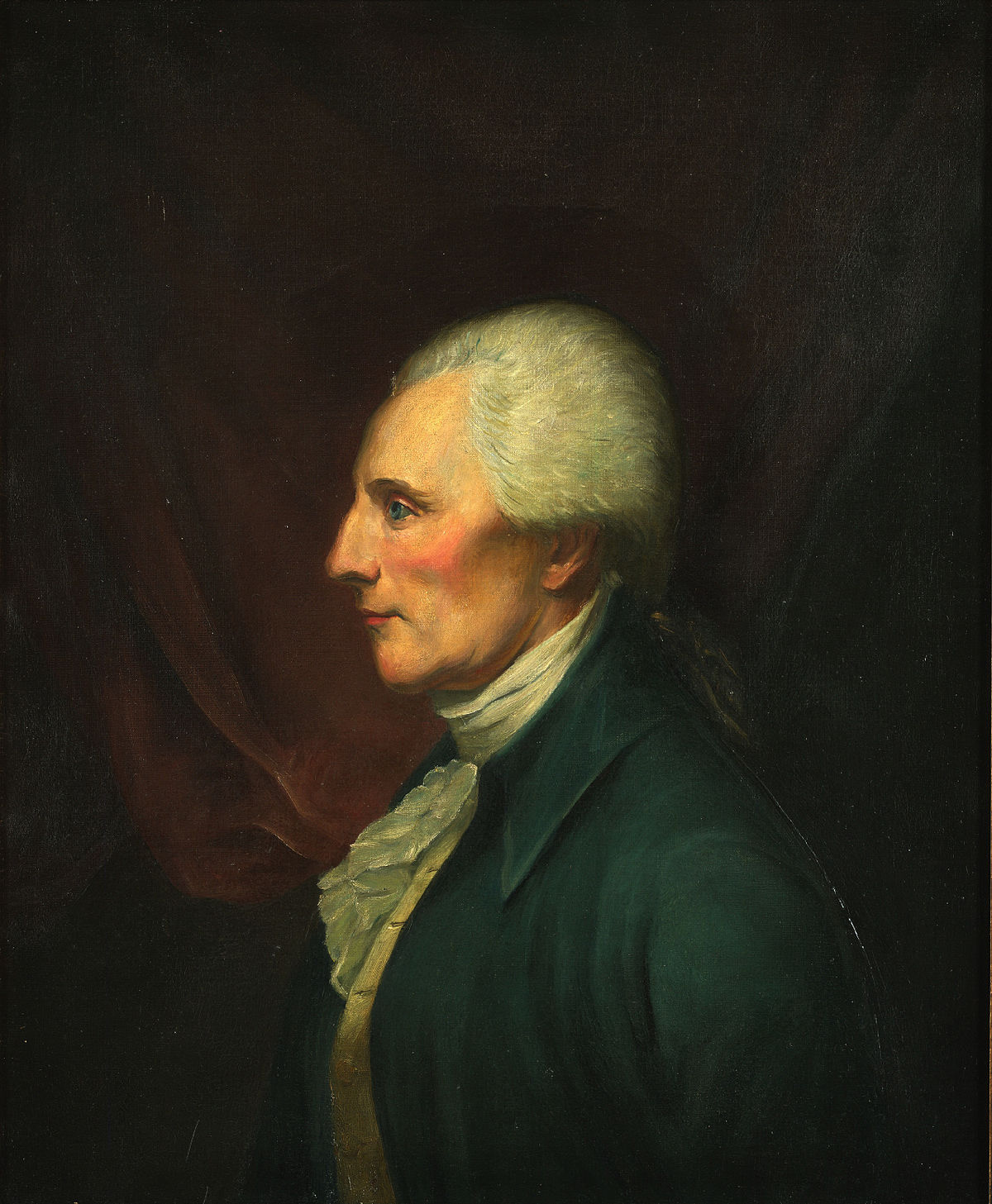
Virtually forgotten in popular accounts, Virginia delegate Richard Henry Lee offered the underlying resolution for Independence.  The familiar document was an explanation and justification of the act drafted by a special committee.  It was not the legal document accomplishing separation.  Lee's resolution and the votes for and against it were recorded in the official proceedings of Congress.

In keeping with his instructions on June 11 Lee offered a resolution that Congress declare independence, seek foreign alliances, and begin laying the groundwork for a new confederation:

Resolved, that these United Colonies are, and of right ought to be, free and independent States, that they are absolved from all allegiance to the British Crown, and that all political connection between them and the State of Great Britain is, and ought to be, totally dissolved.

As Lee’s resolution was being debated Congress authorized a Committee of Five to draw up a document explaining the action, should it be passed.  The committee consisted of Adams; Benjamin Franklin of Pennsylvania, the delegate with the most international renown and prestige; Thomas Jefferson of Virginia, one of the youngest delegates; Robert R. Livingston of New York, and Roger Sherman of Connecticut.  

The famous committee charged with drafting a justification for Independence. Left to right:  Thomas Jefferson, Roger Sherman, Benjamin Franklin, Robert Livingston, and John Adams.  Jefferson wrote the first draft.  Franklin and Adams were actively involved in editing and fine tuning the document.  Sherman and Livingston are not known to have contributed tot he wordage but were important politically to secure support from their states--especially Livingston whose New York delegation was deadlocked on Independence.

The committee delegated to Jefferson the job of writing a first draft.  He did so over several days.  The committee conferred and recommended some changes, which mortified Jefferson, and then he produced a draft incorporating the edits.  It remained, however, mostly Jefferson’s work. 

The language was sent to Congress on June 28.  The document was tabled until action on Lee’s resolution was completed. On July 1, sitting as a Committee of the Whole with each Colony having one vote, the resolution was approved with 9 yeas, two nays (Pennsylvania and South Carolina), and a no vote by New York, whose delegation lacked instructions, and Delaware whose two delegates were split.  

Ceasar Rodney rode hell-for-leather from Delaware to cast his deciding vote in that colony's delegation on June 2 passing Lee's resolution.

On July 2 South Carolina reconsidered and switched its vote to yes and the two most ardent opponents of independence in the Pennsylvania delegation, John Dickinson and Robert Morris, bowing to the inevitable, abstained in a caucus of the state’s delegates allowing the delegation to follow Franklin for independence.  Then, dramatically, Caesar Rodney arrived after an epic ride from Delaware to cast a vote breaking the tie in that delegation.  Only New York, then, had not voted for independence.  Adams regarded the July 2 vote as definitively the day of independence.  He wrote home to his wife Abigail:

The Second Day of July 1776, will be the most memorable Epocha, in the History of America. I am apt to believe that it will be celebrated, by succeeding Generations, as the great anniversary Festival. It ought to be commemorated, as the Day of Deliverance by solemn Acts of Devotion to God Almighty. It ought to be solemnized with Pomp and Parade, with Shews, Games, Sports, Guns, Bells, Bonfires and Illuminations from one End of this Continent to the other from this Time forward forever more. You will think me transported with Enthusiasm but I am not. I am well aware of the Toil and Blood and Treasure, that it will cost us to maintain this Declaration, and support and defend these States. Yet through all the Gloom I can see the Rays of ravishing Light and Glory. I can see that the End is more than worth all the Means. And that Posterity will tryumph in that Days Transaction, even altho We should rue it, which I trust in God We shall not.

Congress then took up the wording declaration from the Committee of Five. On July 3 after spirited debate Congress adopted most of Jefferson’s text except for a lengthy passage critical of the slave trade and some other relatively minor matters of language.  He was bitterly disappointed, but the deed was done.  Congress ordered official copies be made for each state and printed copies to be read publicly. These copies were dated July 4 A calligrapher worked on a very fine original document which most delegates signed on August 2 and to which absent delegates appended their signatures weeks, maybe even months later.  There was no grand signing ceremony as enshrined in myth.  

The iconic document on display at the Library of Congress and reproduced in class rooms across the country is one of about three copies made by a calligrapher.  Like the printed copies it was dated July 4 although there was no action by Congress that day.  The Fourth was meant to be the date that the Declaration was to be read publicly for the first time  but the broadsides were not ready from the printer.  The Philadelphia Evening Post ran it on July 6  and it was not until July 8 that Col. John Nixon of the Philadelphia Committee of Safety read it on the steps of the State House.   General George Washington personally read the document to his troops and local citizens in New York City on July 9.

Here are some dates in the associated with marking Independence Day and the Fourth of July:

1776—Philadelphia celebrated with toasts, 13-gun salutes, speeches, fireworks, and parades after the official reading on July 8.

1777—13 guns were fired once in the morning and once in the evening in Bristol, Rhode Island

1778George Washington marked the occasion with double rum ration for the troops. Benjamin Franklin and John Adams held a dinner for fellow Americans in Paris.

1779—The Fourth fell on a Sunday. To keep the Sabbath, observances in many places were held July 5.

1781Massachusetts became the first state legislature to recognize the day as an official occasion.

1791—The first recorded use of the name Independence Day occurred.

1826—former Presidents John Adams and Thomas Jefferson died within an hour of each other on the 50th anniversary of the dated copies of the Declaration

1831—Former President James Monroe died on the Fourth.

1870—Congress made the 4th of July an unpaid holiday for Federal employees.

1884—The Statue of Liberty was presented to the American People in Paris.

1941—Congress made Independence Day a paid Federal holiday.


Sunday, May 5, 2024

If this is May 5 it Must be Cinco de Mayo—America’s Favorite Mexican Holiday


A typically culturally sensitive promotion for American Cinco de Mayo revelry.

Note:  This is at least the 12th year I have run essentially the same post with a little tinkering on the margins. I keep running it because the same shit happens again every year and my Mexican and Chicano friends keeps asking me to bring it back.

Today is, as every hearty partyer will tell you, is Cinco de Mayo.  In the U.S. it has become kind of second St. Patricks Day decked out in sombreros and serapes instead of emerald green, toasted with Coronas with lime and shots of tequila instead of Guinness and Jamisons, and laid out with two-for-one taco deals instead of corn beef and cabbage.  It is celebrated without apparent irony even by those who cheered Trump, pelted busloads of children with curses and rocks, and who send semi-literate screeds to the newspapers railing against those damned lazy, criminal immigrants

Part of the problem--commercialized party-til-you puke.

Mexican-American restaurant owners and importers of spirits and trinkets appreciate the business.  Grade schools have the kids make paper hats and sing Spanish songs for a one day lesson in Mexican culture.  And immigrant communities hold fiestas and parades, glad that for one day of the year the rest of the country is paying attention to them in sort of a good way.  If you ask most of the revelers what they are celebrating, they will mumble something vague about Mexican Independence Day. 

Of course, they are wrong.  Independence Day is Diez y Seis de Septiembre (September 16th) celebrating the day in 1810 when Father Miguel Hidalgo read the Gritto de Hidalgo  beginning Mexico’s War of Independence from Spain.  

At its best in Mexican-American communities across the US  popular Cinco de Mayo celebrations are a rare opportunity to share Mexican culture and traditions with parades and festivals.  Promotion by those communities have elevated the celebration in the US much higher than its modest and regional observations south of the border.

In Mexico Cinco de Mayo is a minor patriotic holiday observed mostly in the State of Puebla.  It celebrates the victory Mexican patriots over a large, modern and well equipped French army in the Battle of Puebla on May 5, 1862.  It was not even the final victory of the war against the French, who did not evacuate the country until 1866.  

This mural in Mexico City by Antonio González Oroaco depicts Juarez as the “Symbol of the Republic” during the Battle of Puebla.

In 1861 the Mexican President Benito Juarez had been forced to default on Mexico’s heavy debt to European powers.  Britain, France and other powers all made threats to redeem their debts by force if necessary.  They were warned by the United States, which invoked the Monroe Doctrine, not to intervene in Mexico.  French Emperor Napoleon III recognized the U.S. would be too preoccupied with its own Civil War to take action and dispatched a large French Army to take control of the country.  

A panoramic painting of the Battle of Puebla, a moral boosting but not final victory of the Mexican Republic under Benito Juarez against the invading French.

After initial success the occupying French Army with its Mexican allies, numbering 8,000 men was met by 4,000 Mexican troops loyal to Juarez under the command of General Ignacio Zaragoza Seguín and soundly defeated.  It was an enormous moral boost for the Mexicans, but only delayed the French march on the capital of Mexico City

In 1864 a plebiscite conducted under French guns invited the Austrian Hapsburg Prince Ferdinand Maximilian to sit as Emperor of Mexico with his wife Carlota as Empress.  Maximilian did have support of some Mexican conservatives, large landowners, and the Catholic Church, but despite his liberal bent—he continued many of Juarez’s land reforms and even offered the former President the post of Prime Minister—Mexican patriots refused to recognize his rule or the French occupation that made it possible. 

Juarez and his supporters engaged in a grizzly war of attrition against French forces.  With his army slowly being bled away and the costs of occupation far outstripping any profits to the empire, Napoleon III began to withdraw his support.  When the American Civil War ended and American intervention with a new, modern, and battle hardened army became a distinct possibility, the French Emperor finally withdrew his troops.  

Emperor Maximilian badly miscalculated his popularity and paid for it with his life.

Maximilian, deluding himself that he was truly the popular Emperor of Mexico stayed behind with his loyal generals to fight it out with the Juaristas.  Carlota made a desperate trip to Europe in which she traveled from capital to capital begging for aid for her husband.  When she failed, she suffered an emotional and mental breakdown.  One by one Maximilian’s loyal armies were defeated.  He was captured by republican troops after trying to make a break-out from the besieged city of Santiago de Querétaro on May 15, 1867.  The would-be Emperor was tried by court martial and executed by firing squad on June 19.  

But if you ask any reveler at the bar tonight about any of this, all you will probably get is a blank stare and, if you’re lucky, a Margarita.