
A scene that never happened--the signing of the Declaration of Independence. There was no great signing ceremony on July 4th or any other day. On August 2, 1776 the Delegates to the Continental Congress who were still in Philadelphia stopped by the Pennsylvania State House to add their signatures before they left town. Those who were already gone added their signatures when they could--weeks, months, and in one case years later.
Note--Officially, the United States is celebrating it 250th birthday today. Due to distractions, divergence, and disappointment the celebration is much more muted than the national hoopla fifty years ago for the Bicentennial. But gloomy or not the commemoration might not be on the right date.
As we all know today is Independence Day when Americans celebrate the adoption of a resolution by the Continental Congress formally severing ties between the England and her former colonies in 1776. Although we celebrate on July 4th, the date is just one of several that could have been chosen.
On May 15 Congress adopted a preamble for a resolution offered by Richard Henry Lee of Virginia calling for colonies without a “government sufficient to the exigencies of their affairs” to adopt new governments. The preamble, written by John Adams, said that “it is necessary that the exercise of every kind of authority under the said crown should be totally suppressed.” Although the four Middle Colonies voted against it, Adams wrote home that he considered this a virtual declaration of independence. The same day the Virginia Convention adopted a resolution calling for a dissolving all allegiance to the Crown.
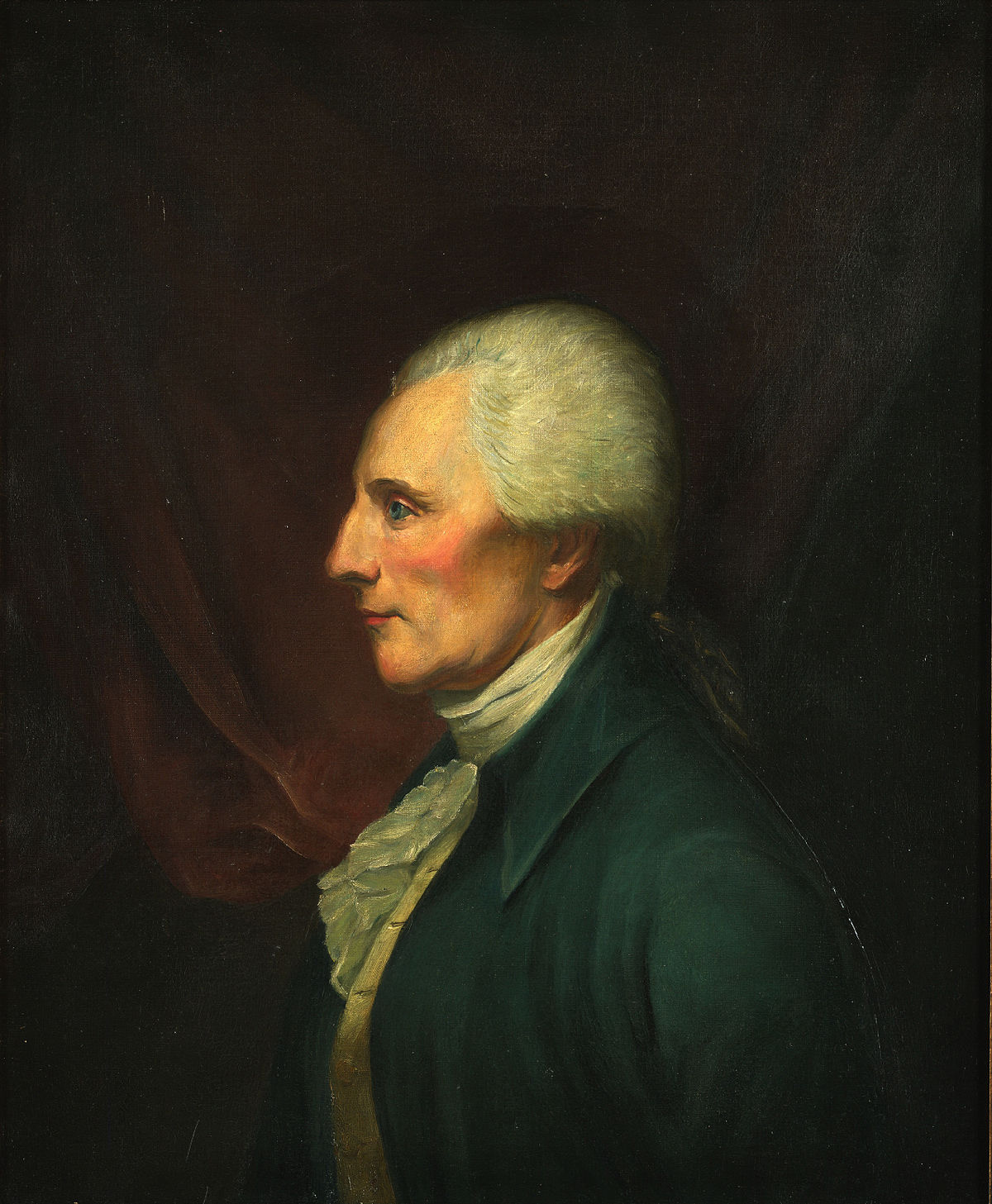
In keeping with his instructions on June 11 Lee offered a resolution that Congress declare independence, seek foreign alliances, and begin laying the groundwork for a new confederation:
Resolved, that these United Colonies are, and of right ought to be, free and independent States, that they are absolved from all allegiance to the British Crown, and that all political connection between them and the State of Great Britain is, and ought to be, totally dissolved.
As Lee’s resolution was being debated, Congress authorized a Committee of Five to draw up a document explaining the action, should it be passed. The committee consisted of Adams; Benjamin Franklin of Pennsylvania, the delegate with the most international renown and prestige; Thomas Jefferson of Virginia, one of the youngest delegates; Robert R. Livingston of New York, and Roger Sherman of Connecticut.

The committee delegated to Jefferson the job of writing a first draft. He did so over several days. The committee conferred and recommended some changes, which mortified Jefferson, and then he produced a draft incorporating the edits. It remained, however, mostly Jefferson’s work.
The language was sent to Congress on June 28. The document was tabled until action on Lee’s resolution was completed. On July 1, sitting as a Committee of the Whole with each Colony having one vote, the resolution was approved with 9 yeas, two nays (Pennsylvania and South Carolina), and a no vote by New York, whose delegation lacked instructions, and Delaware whose two delegates were split.

On July 2 South Carolina reconsidered and switched its vote to yes and the two most ardent opponents of independence in the Pennsylvania delegation, John Dickinson and Robert Morris, bowing to the inevitable, abstained in a caucus of the state’s delegates allowing the delegation to follow Franklin for independence. Then, dramatically, Caesar Rodney arrived after an epic ride from Delaware to cast a vote breaking the tie in that delegation. Only New York, then, had not voted for independence. Adams regarded the July 2 vote as definitively the day of independence. He wrote home to his wife Abigail:
The Second Day of July 1776, will be the most memorable Epocha, in the History of America. I am apt to believe that it will be celebrated, by succeeding Generations, as the great anniversary Festival. It ought to be commemorated, as the Day of Deliverance by solemn Acts of Devotion to God Almighty. It ought to be solemnized with Pomp and Parade, with Shews, Games, Sports, Guns, Bells, Bonfires and Illuminations from one End of this Continent to the other from this Time forward forever more. You will think me transported with Enthusiasm but I am not. I am well aware of the Toil and Blood and Treasure, that it will cost us to maintain this Declaration, and support and defend these States. Yet through all the Gloom I can see the Rays of ravishing Light and Glory. I can see that the End is more than worth all the Means. And that Posterity will tryumph in that Days Transaction, even altho We should rue it, which I trust in God We shall not.
Congress then took up the wording declaration from the Committee of Five. On July 3 after spirited debate Congress adopted most of Jefferson’s text except for a lengthy passage critical of the slave trade and some other relatively minor matters of language. He was bitterly disappointed, but the deed was done. Congress ordered official copies be made for each state and printed copies to be read publicly. These copies were dated July 4. A calligrapher worked on a very fine original document which most delegates signed on August 2 and to which absent delegates appended their signatures weeks, maybe even months later. There was no grand signing ceremony as enshrined in myth.

Here are some dates in the associated with marking Independence Day and the Fourth of July:
1776—Philadelphia celebrated with toasts, 13-gun salutes, speeches, fireworks, and parades after the official reading on July 8.
1777—13 guns were fired once in the morning and once in the evening in Bristol, Rhode Island
1778—George Washington marked the occasion with double rum ration for the troops. Benjamin Franklin and John Adams held a dinner for fellow Americans in Paris.
1779—The Fourth fell on a Sunday. To keep the Sabbath, observances in many places were held July 5.
1781—Massachusetts became the first state legislature to recognize the day as an official occasion.
1791—The first recorded use of the name Independence Day occurred.
1826—Former Presidents John Adams and Thomas Jefferson died within an hour of each other on the 50th anniversary of the dated copies of the Declaration
1831—Former President James Monroe died on the Fourth.
1870—Congress made the 4th of July an unpaid holiday for Federal employees.
1884—The Statue of Liberty was presented to the American People in Paris.
1941—Congress made Independence Day a paid Federal holiday.


No comments:
Post a Comment